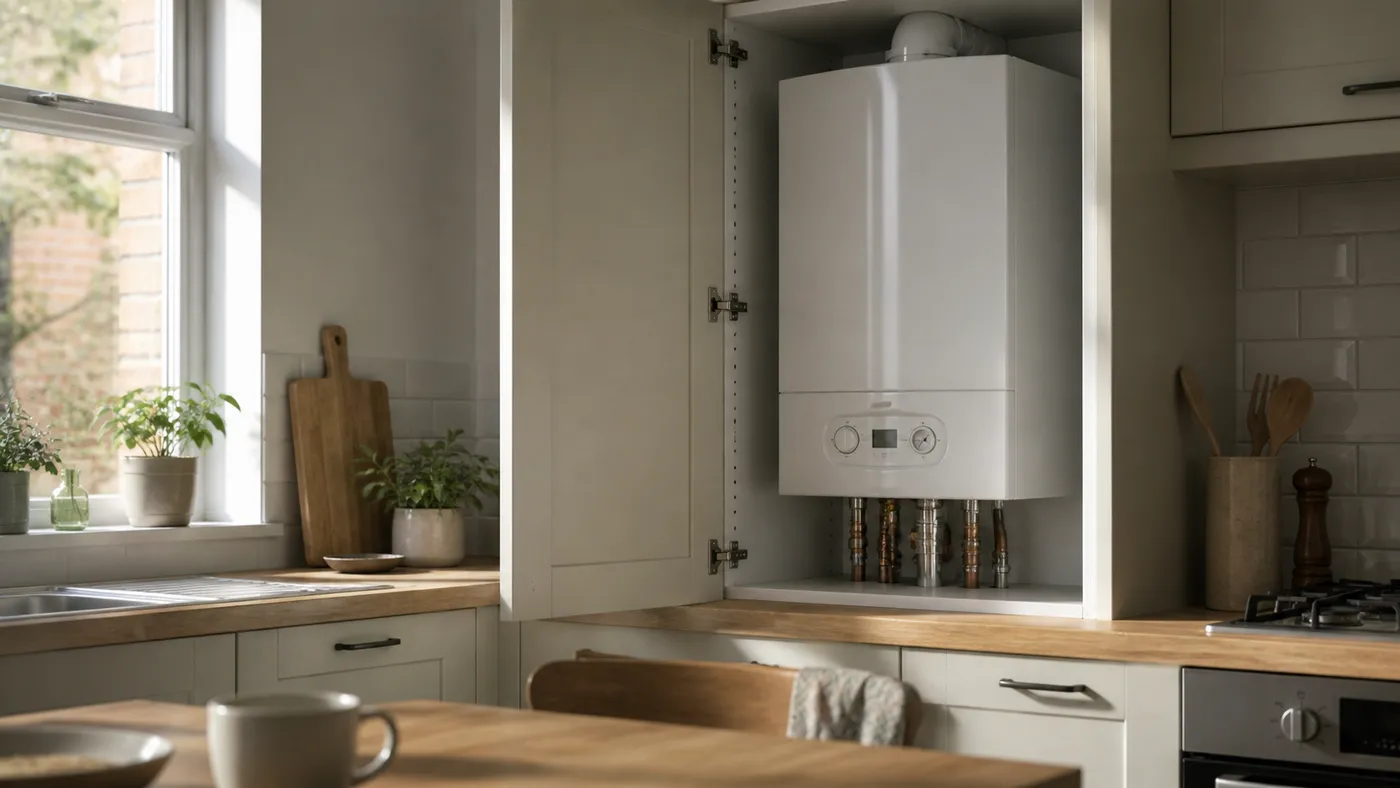
A clear, step-by-step walkthrough of what to expect when your new boiler is fitted, from the engineer's arrival to system handover.
What to Expect on Boiler Installation Day
Having a new boiler installed is a significant home improvement. Knowing what will happen on the day can make the process clearer and less stressful. This guide walks you through the typical stages of a professional boiler installation.
Preparation Before the Engineers Arrive
A little preparation from you will help the installation go smoothly. The engineers will need clear, safe access to the old boiler, the new unit's location, and all pipework routes. Moving furniture or stored items away from these areas is very helpful.
Remember that your heating and hot water will be switched off for the duration of the work. For a straightforward like-for-like swap, this is typically for a single day. For a system conversion, such as moving from a conventional boiler to a combi, plan for the work to take one to two days. It is wise to make alternative arrangements for hot water during this time. Whether you can still flush the toilet or use the cold taps while the work goes on is covered in can you use water while a boiler is being replaced.
The Stages of Installation
The installation follows a logical sequence carried out by Gas Safe registered engineers.
Isolating and Removing the Old System
The first task is to make the existing system safe. The engineer will turn off the gas, water, and electrical supplies to your old boiler. They will then drain down the central heating system to remove the water from the pipes and radiators. Once safe and drained, the old boiler and any associated tanks or cylinders will be carefully disconnected and removed from your property.
Fitting the New Boiler and Components
With the old system out, the engineer will fit the new boiler in its designated position, whether that is the same spot or a new location. New pipework will be run as required, and any new system components, like a magnetic filter or condensate pipe, will be installed. The boiler will be connected to the gas supply, water pipes, flue, and electrical controls.
Testing and Commissioning
This is a critical phase. The engineer will pressure test all the new pipework and connections to ensure there are no leaks. Once confirmed safe, the system will be filled with water and inhibitor. The boiler will be fired up and its operation checked thoroughly. The engineer will commission the boiler to the manufacturer's specifications and complete the Benchmark checklist, which is the industry-standard record of the installation.
Handover and Demonstration
Before they leave, the engineer will give you a handover. They will explain how your new boiler and controls work, show you how to adjust settings, and advise on basic maintenance like checking the pressure. You will receive all essential documentation, including the Benchmark commissioning checklist, the boiler's manual, and warranty details. They will also explain what to do if you have any issues after the installation.
Choosing the Right Installer
A good installation begins with choosing a reputable company. Always use a Gas Safe registered engineer. A trustworthy company will offer a free, no-obligation survey of your home to recommend the correct boiler and provide a fixed-price quote for the work. This ensures you know exactly what is included before any work begins.
The paperwork you should leave with
Before the engineer leaves, ask for the signed Benchmark checklist, which keeps the manufacturer's warranty valid; our guide to the Benchmark checklist explains what should be filled in. A Building Regulations Compliance Certificate follows by post from Gas Safe Register, and gas safety certificate vs. boiler warranty explains how that differs from a CP12. The full process from survey to handover is in the complete guide to new boiler installation, or you can book a free survey for a fixed quote on your own home.
Frequently asked questions
How long will I be without heating and hot water?
For a standard like-for-like boiler swap, you should expect to be without heating and hot water for a single day. If the installation involves a system conversion, such as changing from a conventional to a combi boiler, the work typically takes one to two days.
What is the Benchmark checklist?
The Benchmark checklist is a mandatory record that must be completed by the installing engineer. It documents that the boiler has been installed, commissioned, and handed over correctly according to industry standards. You should receive a copy for your records.
Why is it important to use a Gas Safe registered engineer?
It is a legal requirement in the UK that anyone working on a gas appliance must be on the official Gas Safe Register. This ensures they are qualified to work safely on gas fittings. Using a non-registered installer is illegal and invalidates your boiler's warranty.