Unvented Cylinders: Pros and Cons for a System Boiler Replacement
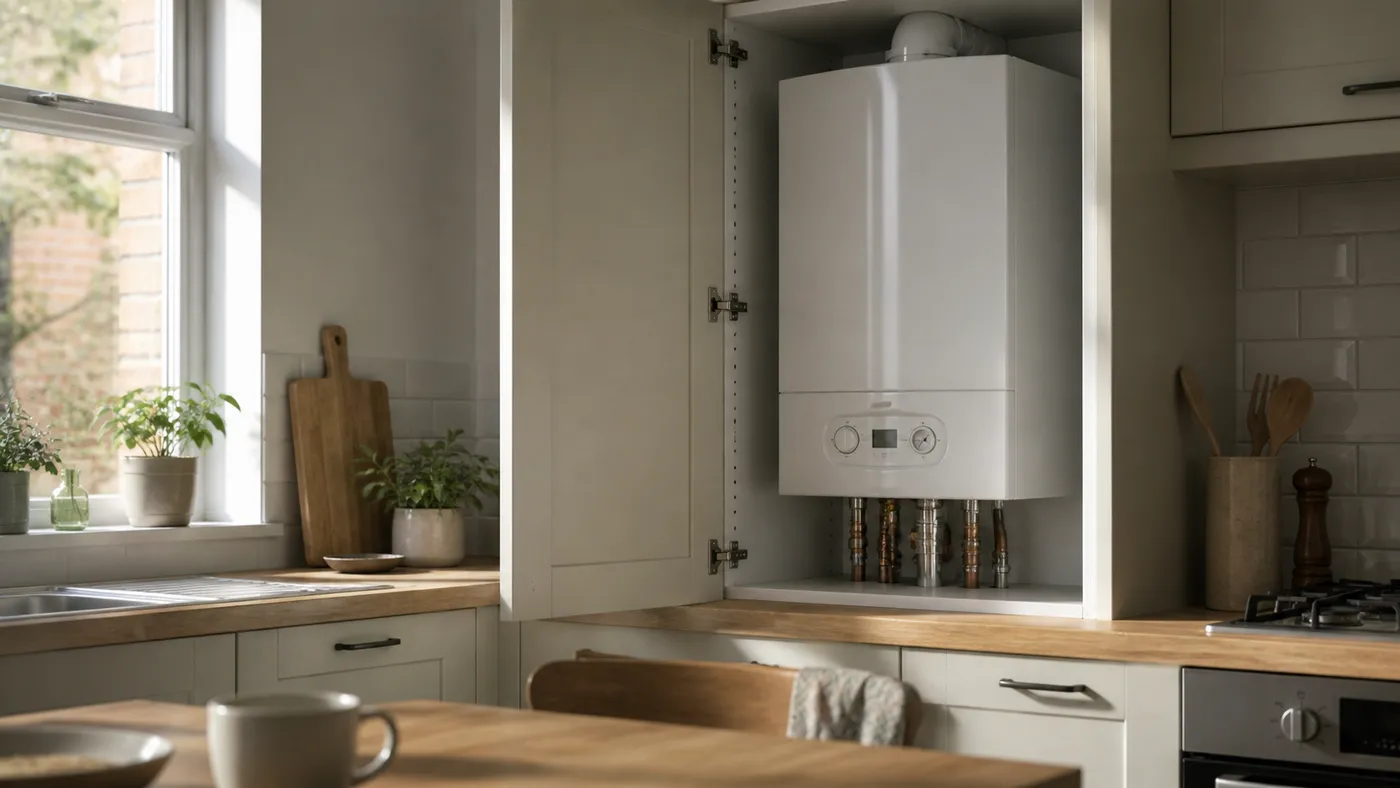
An unvented cylinder is a sealed, mains-fed hot water store: strong showers and several taps at once, no loft tank. The catch is it needs good mains pressure and a qualified installer.
Unvented Cylinders Explained
If you are planning a system boiler replacement, you will likely consider your hot water storage. One major choice is between a traditional vented cylinder and a modern unvented cylinder. Understanding what an unvented cylinder is and how it works is the first step.
An unvented cylinder is a sealed, mains-fed hot water storage unit. It connects directly to your mains cold water supply, which pressurises the entire system. This is different from a traditional vented (or tank-fed) cylinder, which relies on a cold water storage tank, usually in the loft, to feed the hot water cylinder by gravity. This fundamental difference creates distinct advantages and trade-offs for your home.
Key Advantages of Unvented Cylinders
The primary benefit of an unvented cylinder is mains-pressure hot water. This delivers a powerful, consistent flow to every outlet in your home simultaneously.
- High-Performance Showers: You can run a powerful shower without needing an additional electric pump, which saves on installation and running costs.
- Multiple Outlets: You can run a bath, a shower, and a kitchen tap at the same time without a noticeable drop in pressure or flow, provided your incoming mains flow is strong enough.
- Space Saving: They eliminate the need for a cold water feed tank in the loft, freeing up that space. The cylinder itself is often more compact than older vented models.
- Reduced Risk: With no open vent or header tank in the loft, there is no risk of freezing pipes or contamination from the storage tank.
Important Considerations and Drawbacks
While the benefits are significant, unvented cylinders are not the right solution for every home. They come with specific requirements and responsibilities.
- Space and Access: The cylinder still needs a suitable location, often in an airing cupboard. It must also have safe and easy access for installation and future servicing.
- Mains Water Pressure: Your home's incoming mains water pressure and flow rate must be sufficient to support the system. A professional survey will assess this.
- Qualified Installation and Annual Checks: Unvented cylinders may only be installed by an engineer holding the unvented hot water qualification — that part is a legal requirement, and it is separate from Gas Safe registration, which covers the gas side. Servicing is a different matter: the safety devices, such as the expansion relief and temperature and pressure relief valves, are designed to be checked annually, and manufacturers require it to keep the warranty valid, but for a domestic property that annual check is not itself a statutory duty.
- Installation Complexity: The installation is more complex than a simple vented system replacement. It must comply with building regulations, and all work should be registered with the local authority, often handled by your installer.
Making the Right Choice for Your Boiler Replacement
Choosing between a vented and unvented system depends on your household's needs, your property, and your budget. For a busy family home with multiple bathrooms, the convenience of mains-pressure hot water is often a priority. For a smaller property with adequate loft space and simpler needs, a vented system with a new system boiler may be a more straightforward option.
When you get a quote for a system boiler replacement, discuss your hot water usage in detail. A reputable company will offer a free survey to check your water pressure, assess available space, and explain the options. They should provide a fixed quote that includes all necessary components, installation by qualified professionals, and the completion of the Benchmark commissioning checklist for your new heating system.
Next Steps for London Homeowners
If you think an unvented cylinder could be right for your home, the next step is a professional assessment. Always use a qualified installer who can certify the work. They will ensure your system is safe, efficient, and perfectly suited to your home's layout and your family's demand for hot water, making your boiler replacement a long-term success.
What keeps an unvented cylinder safe
Because an unvented cylinder holds hot water at mains pressure, it relies on a set of safety devices. These are what the unvented qualification and the annual service are really about:
- Pressure reducing valve: brings the incoming mains down to a steady working pressure.
- Expansion vessel or internal air gap: absorbs the extra volume as water heats and expands.
- Expansion relief valve: opens if the pressure climbs too high.
- Temperature and pressure relief valve: releases water if the cylinder overheats or overpressurises.
- Thermostats and thermal cut-out: shut off the heat source if the water gets too hot.
- Tundish and discharge pipe: make any discharge from the valves visible and carry it safely away.
If you ever see water running through the tundish, a valve is telling you something is wrong. Switch off the heating and immersion heater and call an engineer.
Replacing a vented cylinder with an unvented one
This is one of the most common upgrades when a system or regular boiler is replaced. The loft tanks come out, the new cylinder is connected to the mains, and the discharge pipe has to run to a safe point outside, which is often what decides where the cylinder can go. Before committing, a surveyor checks the mains flow and pressure at the property, because an unvented cylinder can only deliver what the mains supplies. We compare the two options side by side in unvented vs. vented cylinder replacement.
Unvented cylinder or combi boiler?
Both give you mains-pressure hot water. The difference is storage. A combi heats water as you use it, which suits a home with one bathroom and good mains flow. An unvented cylinder keeps a store of hot water ready, which suits a home where two showers run at once. If you are unsure which applies to you, combi vs. system vs. regular boilers works through it, and what size hot water cylinder do I need helps with the sizing.
Thinking about an unvented cylinder? At the free survey we test your mains flow, check where the cylinder and discharge pipe can go, and give you a fixed written quote. Before booking anyone, see how to check an installer is G3 qualified. Book a free survey or see our hot water cylinder replacement service.
Frequently asked questions
Who can install an unvented cylinder?
Unvented cylinders must be installed by a qualified and competent engineer. While a Gas Safe registered engineer handles the boiler connection, the unvented cylinder itself requires specific certification under building regulations. A reputable installer will have both qualifications or work as a team to ensure the entire system is fitted correctly and legally.
Do unvented cylinders need servicing?
Yes, they require annual servicing for safety. A key part of this is checking the pressure relief valve and other safety devices to ensure they are functioning correctly. This service is often combined with your annual gas boiler service for convenience.
How do I know if my mains pressure is good enough for an unvented cylinder?
You will need a professional survey. As part of a free survey for a boiler replacement, an engineer will test your incoming mains water flow rate and pressure. They can then advise if it is sufficient for an unvented system or if alternatives would be better.
What is an unvented cylinder?
A sealed hot water cylinder fed directly from the cold mains rather than from a tank in the loft. Because it runs at mains pressure, it gives strong flow to several taps and showers at once, and it has safety valves that need an annual check.
Can I replace a vented cylinder with an unvented one?
Usually, yes, provided your mains flow and pressure are good enough and there is a safe route for the discharge pipe. The loft tanks are removed and the work has to be done and certified by an installer holding the unvented qualification.
What are the disadvantages of an unvented hot water system?
It depends on good mains flow, it has to be installed by a specially qualified engineer, it needs a safe discharge route, and the safety devices should be checked every year. It also costs more to install than a like-for-like vented cylinder.