Moving Your Boiler During a Kitchen Renovation or Loft Conversion
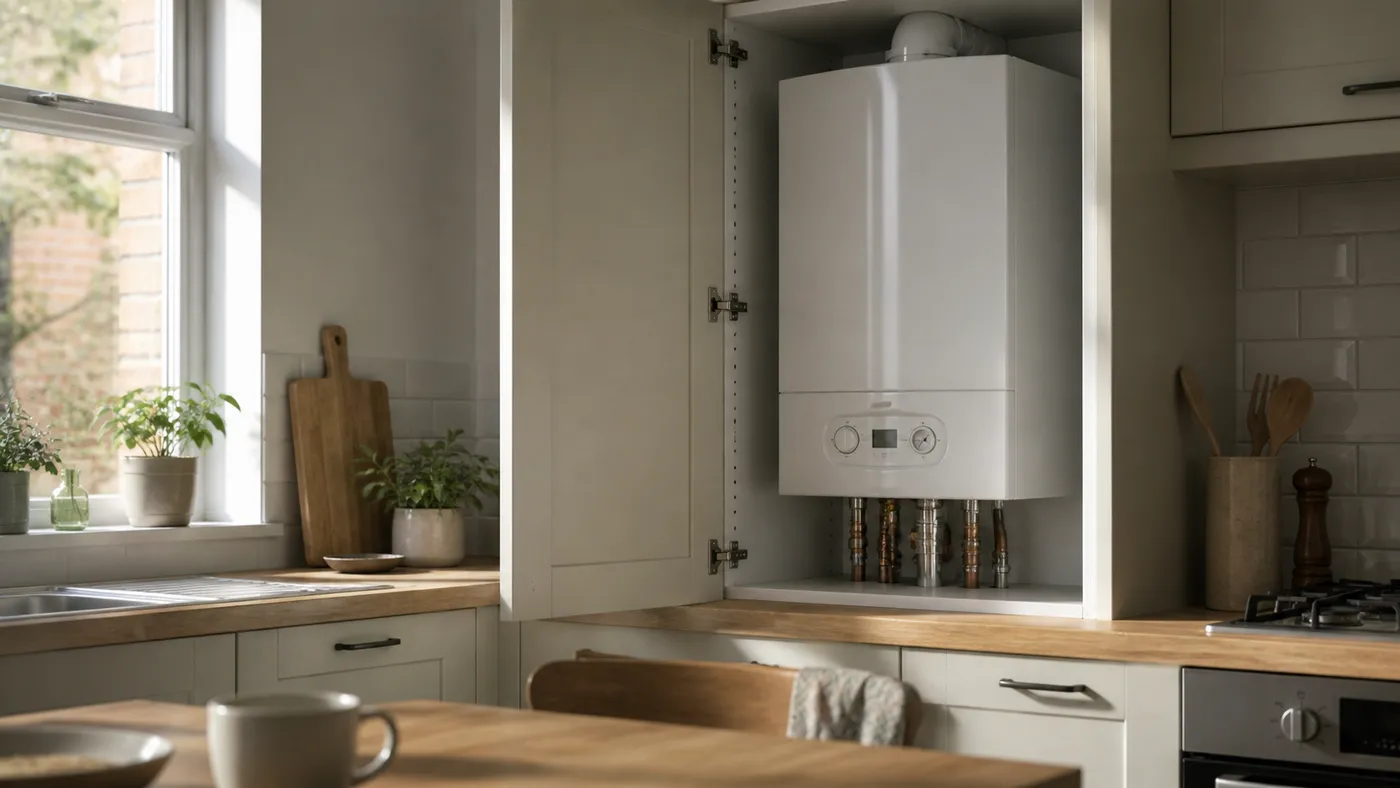
Moving your boiler during a renovation is more complex than a simple swap. Here’s why you need to plan it early and what the process involves.
Why Moving a Boiler is More Than a Simple Swap
When planning a kitchen renovation or loft conversion, you might consider moving your boiler to a new location. This could be to free up valuable kitchen space or to install it in a more discreet area like a loft. However, relocating a boiler is a significant task that goes far beyond a simple like-for-like replacement.
A boiler is part of a system. Moving it involves installing new flue routes to the outside, extending gas and water pipework, and often upgrading the system's controls. Each of these steps must comply with strict Building Regulations and be completed by a Gas Safe registered engineer. Failing to notify the correct authorities about the work can lead to problems when you sell your home.
Key Considerations for a Boiler Relocation
Before any work begins, several important factors need to be addressed. These requirements make it clear why an early survey is crucial.
The New Flue Route
Every boiler needs a flue to safely expel waste gases. When you move the boiler, you must create a new, compliant flue route to an external wall. This route must adhere to specific regulations regarding distance from windows, doors, and boundaries. In a loft conversion, this can be particularly challenging, as the flue may need to run through new structures.
Extended Gas and Water Pipework
Moving the boiler means the existing pipes will no longer reach it. New pipework must be installed from the main supply points to the new location. This work must be pressure-tested and certified. It often involves lifting floorboards or chasing walls, which is much easier to coordinate during the wider renovation before finishes like flooring or plastering are applied.
Building Regulations Notification
Relocating a gas boiler is notifiable work under Building Regulations in England and Wales. Your Gas Safe engineer must notify the local building control body, usually through a Competent Person Scheme. You will receive a certificate upon completion, which is vital for your home's legal paperwork. Attempting this as a DIY job or using an unregistered installer is illegal and dangerous.
Why an Early Survey is Essential
Treating a boiler move as a last-minute decision can cause delays and extra costs. Here is why you should get a professional survey at the very start of your renovation planning.
An engineer can assess the feasibility of your desired new location. They will check for a suitable flue exit, access for maintenance, and whether the existing system can support the move. They can advise on the best type of boiler for the new space and how it integrates with your heating and hot water needs.
Getting this survey done early allows the boiler relocation to be properly designed into your renovation plans. The necessary pipework and flue routes can be factored into the building work schedule, preventing costly rework or delays later. Most reputable companies operate a free-survey-then-fixed-quote model, giving you clarity on costs before you commit.
Planning for a Smooth Installation
Once you have a plan and a quote, coordinating the installation is the final step. Ensure your chosen engineer is Gas Safe registered and will provide all necessary documentation.
The installation should be booked to coincide with the right stage of your build, typically after first-fix plumbing and wiring but before plastering and decorating. After installation, the engineer should commission the boiler, complete the Benchmark checklist, and register the warranty. They will also provide you with the Building Regulations compliance certificate.
By integrating the boiler move into your main renovation timeline, you can ensure a safer, more efficient outcome and avoid the headache of trying to retrofit it after everything else is finished.
Frequently asked questions
Can any Gas Safe engineer move my boiler?
Yes, any engineer performing gas work must be Gas Safe registered. However, for a relocation involving new flue and pipework, it is advisable to choose an engineer or company with specific experience in this complex type of installation to ensure all Building Regulations are met.
What paperwork should I receive after the boiler is moved?
You should receive a Building Regulations Compliance Certificate from the installer's Competent Person Scheme. The engineer should also have completed the Benchmark checklist in your boiler's manual and registered the appliance warranty with the manufacturer. Keep these documents safe for your home records.
How do I get a quote for moving my boiler?
Most reputable heating companies offer a free survey. An engineer will visit your property, assess the existing system and your proposed new location, and discuss the required work. Following this, they should provide a fixed, detailed quote outlining all costs for the relocation, ensuring there are no hidden surprises.