Why Condensate Pipes Freeze — and What It Means for a New Boiler
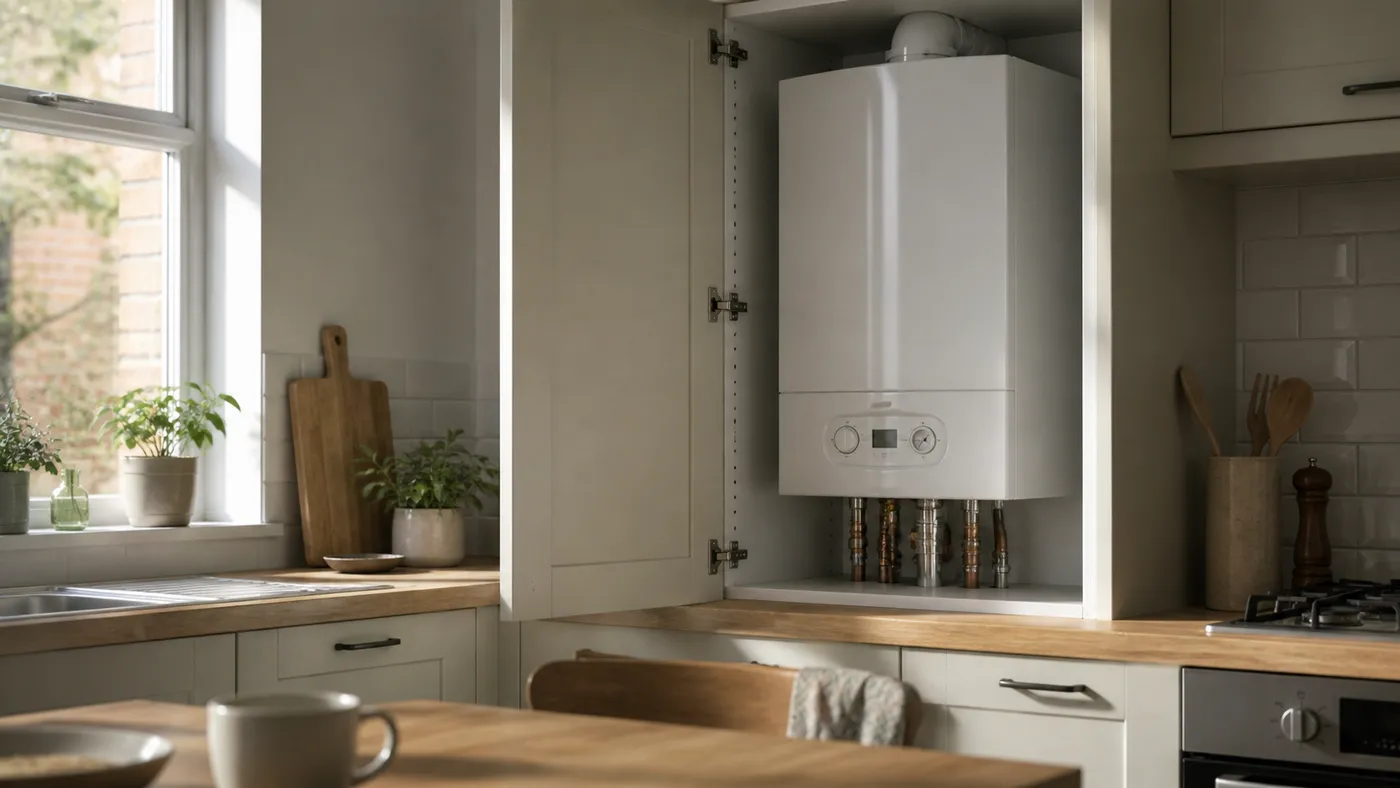
Condensate pipe freezing is a frequent winter problem; understanding it is key to a reliable new boiler installation.
What Is a Condensate Pipe and Why Does It Freeze?
If you have a modern condensing boiler, it has a condensate pipe. This is a vital part of the system. These boilers are highly efficient because they extract extra heat from the waste gases. This process creates water vapour, which then cools and condenses inside the boiler. The resulting slightly acidic liquid, called condensate, is safely drained away through a plastic pipe.
In the UK, this pipe is often routed outside for a short section to connect to a drain. This is where the well-documented winter issue begins. During cold weather, the small, steady flow of warm condensate can quickly freeze inside the exposed external pipe. When this happens, the drain becomes blocked. The boiler detects the blockage and, as a safety measure, will shut down to prevent internal damage, leaving you without heating or hot water.
The Installation Factor: Reducing the Risk from the Start
The risk of a frozen condensate pipe is heavily influenced by how it was originally installed. On many older installations, the pipe may have been run externally for a long distance or without proper consideration for the British winter. When you are having a new boiler fitted, this is the perfect opportunity to address this vulnerability.
A competent heating engineer will always aim to keep the condensate pipe run inside the building for as much of its length as possible. An internal route, through the kitchen or utility room and into an internal soil stack or waste pipe, completely eliminates the risk of external freezing. This is the preferred and most reliable method.
When an External Run Is Unavoidable
Sometimes, an internal route is not practically possible due to the layout of your property. In these cases, the external section must be installed correctly to minimise risk. The pipe must be as short as possible and installed with a continuous fall towards the drain so water cannot pool and freeze. Crucially, it must be insulated with suitable, waterproof lagging. While insulation cannot guarantee prevention in extreme cold, it significantly slows down the cooling process and helps prevent freezing during typical UK winter temperatures.
Choosing a Reliable Installer for Your New Boiler
Ensuring your condensate pipe is installed correctly depends on the skill of your installer. Always use a Gas Safe registered engineer. They have the legal authority and expertise to work on gas appliances safely. A reputable installer will discuss the condensate pipe route with you during the initial survey.
They should follow the industry's Benchmark commissioning checklist, which includes verifying the installation complies with building regulations. A good company will operate on a free-survey-then-fixed-quote model, allowing them to assess your property and plan the optimal, least risky route for all pipework, including the condensate drain, before any work begins.
What to Do If Your Condensate Pipe Freezes
If your boiler shuts down with a fault code during a cold snap, a frozen condensate pipe is a likely cause. You can often identify it by checking for ice or a blockage in the visible external section. The safest course of action is to call your Gas Safe registered engineer. They can safely thaw the pipe and check the system.
Some manufacturers advise that you may carefully pour warm (not boiling) water over the external pipe to thaw it. Once cleared, the boiler may need resetting. However, if you are unsure, do not attempt this and always seek professional help. Addressing the root cause with a better installation is the long-term solution.
Frequently asked questions
Can I insulate my existing condensate pipe myself?
Yes, you can fit suitable waterproof lagging to an existing external pipe, which may help. However, for a permanent solution, a Gas Safe registered engineer should assess if the pipe can be rerouted internally during a boiler service or replacement.
Does a new boiler guarantee the condensate pipe won't freeze?
No, a new boiler does not guarantee it. The guarantee against freezing comes from correct installation. A reputable installer will always try to route the pipe internally. If an external run is necessary, they must install it correctly with insulation to significantly reduce the risk.
What should I look for in a boiler installer to avoid this issue?
Always choose a Gas Safe registered engineer. Look for a company that offers a free survey before providing a fixed quote. During the survey, they should assess the property and discuss the planned route for the condensate pipe. They should also follow the industry Benchmark checklist upon completion.